Paving Solutions: Transform Your Property With Trusted Paving Services
Professional paving services offer notable advantages for property enhancement. They not only improve aesthetics but also increase functionality. Choosing the appropriate materials, such as asphalt or interlocking pavers, can ensure durability and style. The installation process is vital for achieving long-lasting results. Yet, many homeowners overlook essential maintenance practices that can extend the life of their investment. Understanding these elements is essential for making informed decisions about outdoor spaces. What comes next may astonish you.
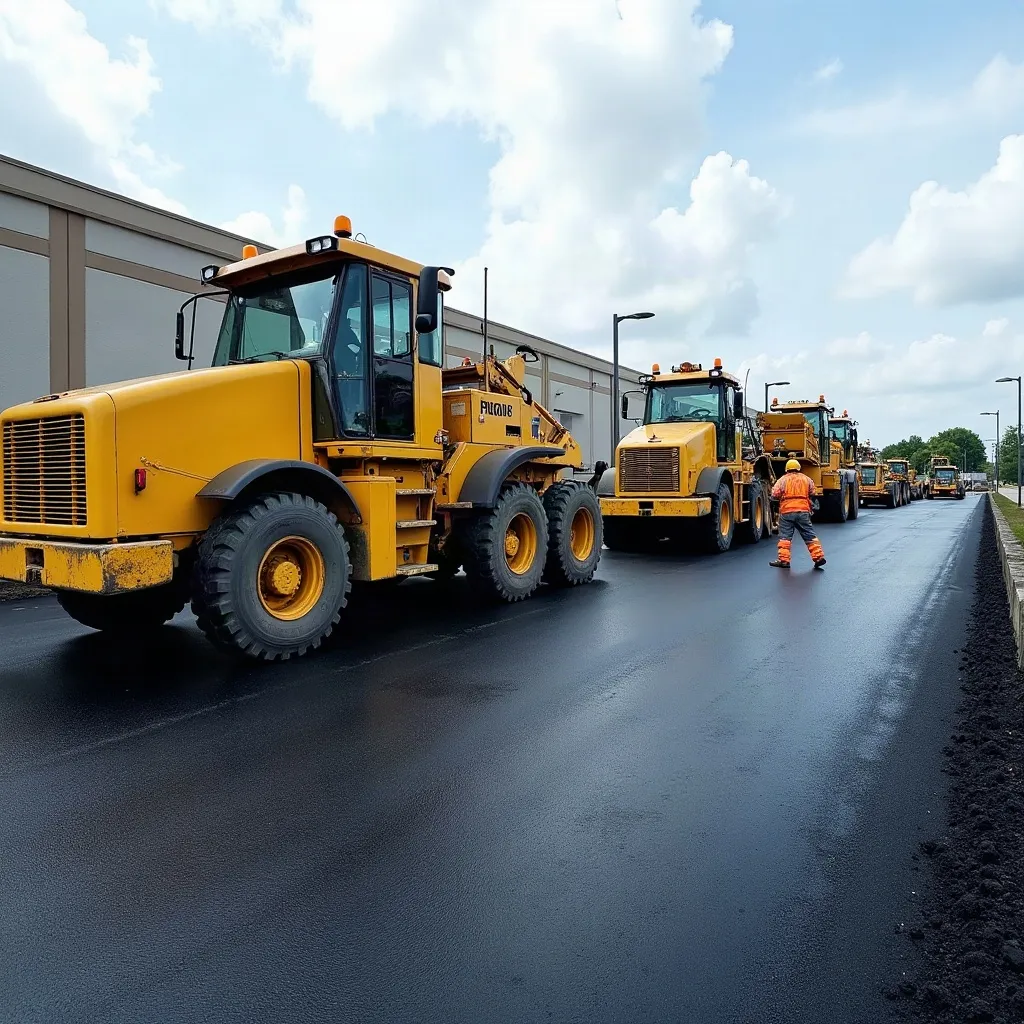
Expert Concrete Solutions Enhance Your Property Value
Professional paving solutions enhance outdoor spaces, boosting both utility and appearance. By applying expert methods and cutting-edge machinery, these services guarantee the comprehensive groundwork and installation of different paving types. This careful focus results in resilient, long-lasting outcomes that endure damage and degradation while keeping visual appeal.
Furthermore, expert pavement work enhances home worth, creating appealing walkways, driveways, and outdoor spaces that attract potential purchasers. A properly paved surface boosts safety by reducing dangers like rough terrain and thick dirt, promoting a more enjoyable outdoor setting.
In addition, proficient experts can furnish custom designs calibrated for individual specifications, guaranteeing that each project harmonizes with the property's distinctive nature.
Choose the Best Laying Materials for Your Project
How can property owners choose the perfect paving materials for their projects? Choosing the right material is essential for both performance and aesthetics.
First, property owners should consider the specific use of the paved area. For driveways, durable materials like asphalt or concrete are often chosen due to their robustness and endurance. In contrast, for patios or walkways, options such as pavers or bricks can deliver decorative charm and adaptability.
Next, climate exerts a considerable influence. Territories with heavy rainfall may advantage from absorbent materials that facilitate for enhanced drainage systems, lowering the probability of flooding.
Moreover, maintenance requirements should be analyzed; some materials necessitate more maintenance than others.
Ultimately, financial restrictions will shape the decision. While high-quality materials may demand a larger upfront investment, they frequently generate extended financial advantages through durability and reduced repair expenses.
Therefore, comprehensive assessment of these factors will enable property owners to make informed choices.
Asphalt Paving Benefits
Asphalt paving stands out as a top option for homeowners looking for durable and affordable alternatives for their pathways and driveways. One of its main advantages is its durability; asphalt can withstand heavy traffic and severe weather conditions, making it ideal for residential use.
In addition, asphalt is cost-conscious in relation to other paving materials, allowing for homeowners to achieve a first-rate appearance without going over budget. The installation process is also prompt, routinely wrapped up within a day, minimizing disruption to daily life.
Moreover, asphalt is hassle-free to care for, needing only periodic maintenance coatings to prolong its useful life. These merits make asphalt paving a practical and sound option for improving property aesthetics and operational efficiency.
Interlocking Paver Benefits
Homeowners evaluating paving options discover that interlocking pavers offer distinct advantages that augment both aesthetics and functionality.
These versatile pavers come in diverse shapes, colors, and textures, enabling imaginative layout options that can enhance any property style. Additionally, interlocking pavers offer excellent durability, resisting cracking and shifting, which is particularly helpful in regions with fluctuating temperatures.
Additionally, their distinctive design improves efficient water drainage, reducing the threat of waterlogging and soil deterioration. This permeability also promotes environmental sustainability by enabling rainwater to replenish groundwater supplies.
Finally, the ease of installation and maintenance makes interlocking pavers a sensible option, guaranteeing that property owners can appreciate their attractive pavement without excessive upkeep.
Initial Site Assessment
Which elements influence the initial site evaluation for paving installation? Several vital elements matter during this critical stage. First, the land’s topography is analyzed to identify any slopes or drainage concerns that might influence the paving process. Next, the existing soil conditions are assessed, since different soil types can affect stability and durability. Additionally, site accessibility is considered to figure out how equipment and materials will be moved. Local regulations and zoning laws are checked to confirm compliance. Lastly, existing structures and vegetation are inspected to plan for any necessary removal or protection. This comprehensive evaluation sets the foundation for a successful paving project, guaranteeing that all possible challenges are handled from the beginning.
Installation Stages Described
With a comprehensive site assessment completed, the paving installation process can start.
The initial stage involves ground readiness, where any existing materials are removed and the ground is smoothed. Beyond this, a base layer is secured, typically made of gravel or fragmented stone, which establishes stability and drainage.
Following this, the selected wearing course—such as asphalt or concrete—is positioned. This section involves thorough attention to guarantee a smooth finish and true positioning.
After the asphalt surface is installed, compaction occurs to boost durability. Finally, curing takes place, letting the material to solidify properly.
Throughout the undertaking, effective dialogue with the property owner is required to address any concerns and assure satisfaction with the final end result.
Pavement Preservation Strategies for Lasting Durability
Despite paving surfaces being engineered for durability, consistent upkeep is crucial to guarantee their extended life. Regular checks must be conducted to identify damage, deterioration, or surface degradation. Prompt repairs can prevent further damage and prolong the lifespan of the road surface.
Furthermore, keeping the surface clean is essential; debris, leaves, and soil can trap moisture, leading to deterioration. Regular clearing and sporadic power washing help keeping a pristine appearance and operation.
Applying sealant every few years can maintain the surface from weathering and UV damage, while also elevating its visual beauty.
In conclusion, dealing with drainage concerns is crucial. Proper drainage systems prevent water accumulation, which can weaken the paving material over time.
How to Locate a Trustworthy Paving Contractor
Securing a reputable paving contractor represents an key step for property owners wanting to establish or enhance their paving surfaces. try now To begin, individuals should gather recommendations from friends, family, or local businesses that have not long ago carried out paving projects. Online reviews and testimonials can also present insights into a contractor's reputation.
Once potential vendors are identified, it is essential to check their certifications, covering licenses and insurance. A professional contractor should offer a detailed written estimate that specifies the scope of work, materials, and timeline.
In addition, seeking feedback from previous clients can assist in evaluating the contractor's trustworthiness and quality of work. It's also advisable to ask about warranties on workmanship and materials.
Ultimately, ensuring clear dialogue and honesty during first meetings can foster a trusting relationship, leading to a completed paving job that meets expectations.
Frequently Asked Questions
What Timeframe Should You Expect for a Standard Paving Project to Complete?
A standard paving job generally requires 1-3 days to complete, based on variables including the project's size, complexity, climate, and preparation requirements. Effective planning can assist in streamline the work efficiently.
Which Permits Are Required for Paving Installation?
As a rule, paving installation requires authorizations like local construction permits, zoning approvals, and environmental studies. Standards vary by locality, so reaching out to local authorities guarantees compliance with required legal conditions for the project.
Can Asphalt Work Be Done in Winter or Rainy Seasons?
Paving can be difficult during winter or rainy seasons due to temperature and moisture concerns. Cold weather can disrupt proper curing, while excessive rain may cause finishing defects, leading to potential long-term damage. Meticulous preparation is indispensable.
What Measures Should I Apply if My Pavement Develops Cracks?
If pavement cracks, the first step is to assess the damage. Next, clean the region completely, fill the cracks with appropriate sealant, and consider professional repair to avoid further deterioration and preserve safety.
What ways can I use to check whether my paving contractor is officially certified?
To determine if a paving contractor is licensed, one should verify their credentials through local licensing boards, request a copy of their license, and check for insurance coverage, making sure they follow industry regulations and safety standards.